Health and Safety Policy — Flat Clearance Brockley
This document sets out the health and safety policy for our flat clearance operations and associated rubbish removal services. It explains the purpose, scope and management arrangements that ensure staff, clients and members of the public are protected during clearance, rubbish collection and waste handling activities. The policy supports a proactive approach to risk reduction, compliance with statutory duties and continuous improvement in safe working standards.Scope and Applicability
The policy applies to every flat clearance, Brockley flat clearance assignment, home or estate clearance and any associated rubbish collection work undertaken by our teams. It covers site work, vehicle operations, temporary storage, handling of mixed household items and the segregation of recyclable materials. Where special wastes are present, additional controls and documented procedures are used to manage hazardous items safely and legally.
Policy Statement
Our organisation is committed to preventing injury and ill health, and to providing a safe working environment during each flat clearance service. We will:
- Carry out thorough risk assessments and implement appropriate controls;
- Provide adequate training, supervision and personal protective equipment;
- Ensure safe systems of work for manual handling, waste segregation and vehicle loading;
- Comply with environmental and waste duty of care requirements for rubbish removal and disposal;
- Investigate incidents and maintain records to prevent recurrence.
Responsibilities
Managers are responsible for ensuring risk assessments are carried out, controls are implemented and resources are available. Operatives must follow safe systems of work and report hazards. Supervisors will monitor compliance and provide on-the-job instruction as needed. Everyone is expected to contribute to a safe workplace by highlighting improvements and cooperating with safety processes.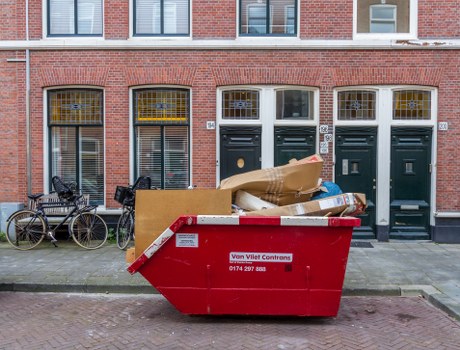
Training and Competence
We will ensure staff receive training in manual handling, safe use of equipment, vehicle loading/unloading, hazardous waste recognition and customer liaison best practice. Ongoing competence is confirmed by periodic assessments and refresher sessions. Training records are maintained to demonstrate that all operatives engaged in rubbish clearance and flat clearance services are competent for their duties.
Risk Assessment and Control Measures
Formal risk assessments are completed before task commencement and updated when conditions change. Typical controls include exclusion of non-essential personnel, use of suitable lifting aids, secure stacking of bulky items, clear access/egress, and designated walkways. Where asbestos, sharps, chemicals or electronics are present, specific procedures and licensed contractors will be used to mitigate exposure and contamination risks.
Personal Protective Equipment & Manual Handling
Operatives must use appropriate PPE such as gloves, high-visibility clothing, safety boots and eye protection. Safe manual handling techniques are emphasised and mechanical aids are provided to reduce strain. Supervisors will enforce PPE use and evaluate tasks to ensure lifting plans and team lifts are used for heavy or awkward items during any rubbish clearance or flat clearance service.Vehicle and Site Safety: Company vehicles used for rubbish removal are maintained to a documented schedule. Loads are secured to prevent shifting, and drivers follow safe loading weights and route plans. On-site, areas are assessed for trip and fall hazards, and protective barriers are used where necessary to protect members of the public and other site users.
Hazardous Materials and Waste Segregation
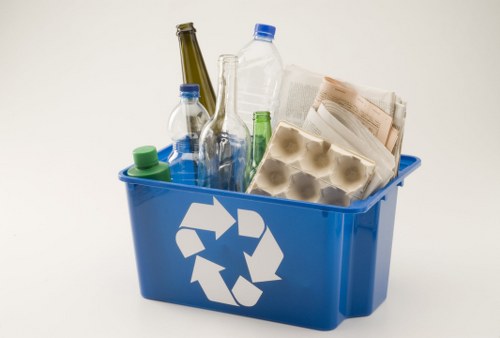
Hazardous items such as solvents, batteries, asbestos-containing materials and electrical waste are identified, segregated and handled according to regulatory requirements. Where specialist disposal is required, we ensure duty-of-care paperwork and transfer notes are completed and retained. The environmental impact of rubbish removal is minimised by prioritising reuse, recycling and safe disposal routes.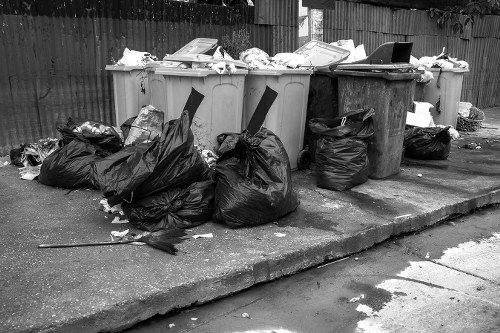
Emergency Preparedness and Incident Reporting
Clear procedures are in place for incidents, injuries and environmental spills. Operatives are trained in first aid awareness and emergency contacts are known within teams. All accidents, near-misses and hazardous observations are reported promptly and investigated; corrective actions are tracked to closure to improve safety for future flat clearance jobs and rubbish collection tasks.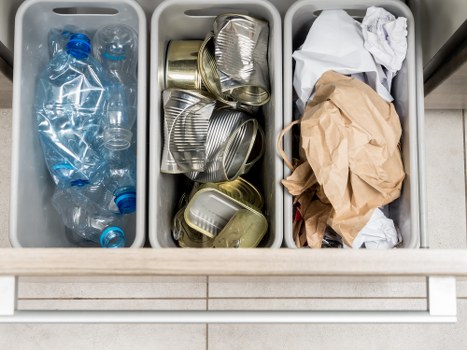
Monitoring, Review and Continuous Improvement
The policy is reviewed regularly and after significant changes or incidents. Routine site inspections, vehicle checks and audits of waste handling practices ensure continuous improvement. Employees are encouraged to suggest safer ways of working; suggestions are considered and implemented where practicable. This policy supports a culture of safety across every flat clearance and rubbish removal operation.
This health and safety policy is issued to provide transparent, practical guidance for safe flat clearance and rubbish removal services. Management commits to resourcing the necessary measures to protect health and safety and to achieving measurable reductions in incidents while ensuring efficient and responsible clearance operations.